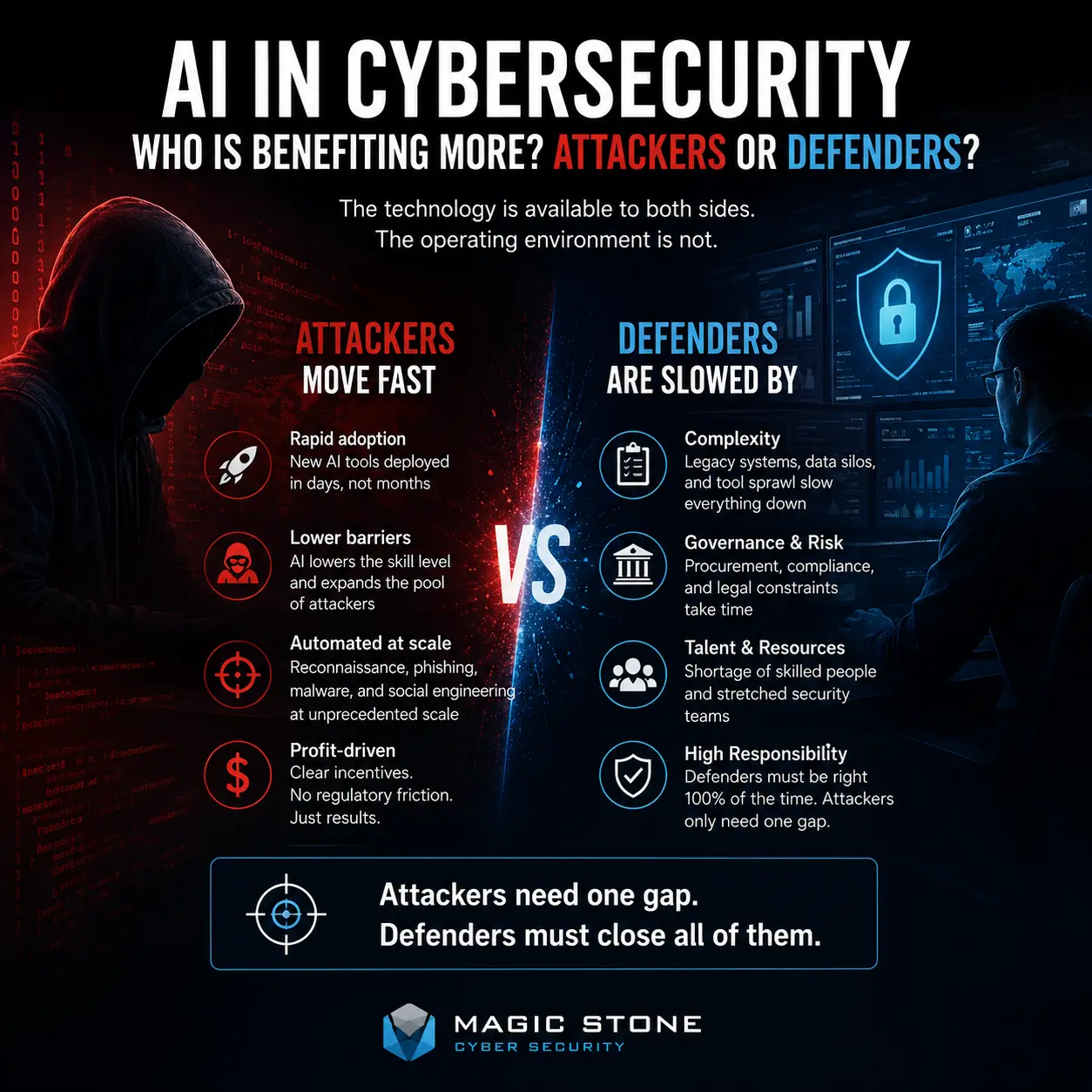
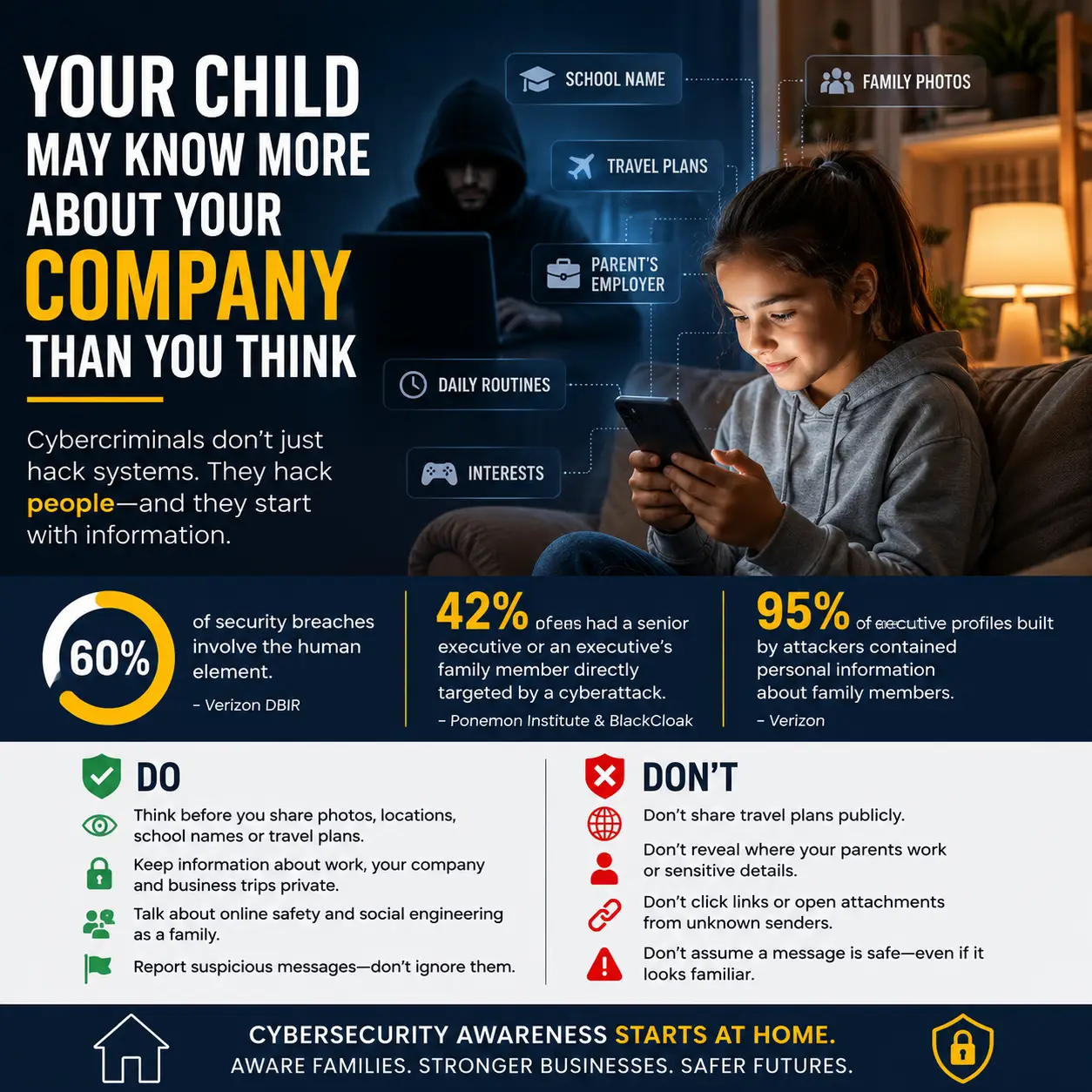
AI Doesn't Replace Human Intelligence — It Replaces Our Exhaustion
I wrote that line a while back, and it keeps coming up in every conversation I have with security professionals, GRC and governance professionals in Europe. Not because it sounds clever, but because it names something they feel every single day and can't quite articulate.
Their teams are smart. They know their vendor landscape. They understand the regulatory pressure. Moreover, they've already invested in AI tools to modernise their Third Party Risk Management. Yet the exhaustion remains.
So the question I keep asking is: why?
Everyone has deployed AI. So why on earth are we still up to our ears in manual work?
Many of the enterprise risk teams I speak with have already started their AI journey in TPRM. The platform is live, the vendor has been paid, and the implementation has been signed off.
Then reality sets in.
The circle isn't complete. While 70% automation is a significant step forward, it feels more HD-ready than true 4K. The remaining 30% still demands manual effort, human intervention, and constant follow-up.
AI-assisted vs autonomous — and why the difference matters
70% automation sounds impressive — until you consider what the remaining 30% actually requires. The headline metric of a new agentic TPRM product launched this week says it all: the AI agent automates "greater than 70% of assessment work while giving the risk analyst control over final decisions." That's AI-assisted TPRM. Not autonomous.
As a result, teams end up with a new workflow sitting on top of the old one: more dashboards to check, more alerts to triage, and more false positives to explain to a sceptical leadership team.
This isn't a technology failure. It's a design failure. Most TPRM tools were built to assist human workflows, not replace them. And there's a significant difference.
- Questionnaires still go out by email
- Analysts still chase vendors for responses
- Risk scores that don't reflect actual business risk
- Too many false positives that erode trust in the system
- Remediation processes that never fully close
- Board questions that the team still can't answer in real time
The difference between assisting exhaustion and ending it
When I say AI replaces our exhaustion, I mean something specific. Did you ever stop to ask: how much time is your team actually wasting on administrative work instead of security?
Consider it this way: chasing a vendor for a questionnaire response is not a risk decision. It is pure administration — it consumes analyst time, creates friction with suppliers, and produces no insight whatsoever.
Similarly, triaging 200 alerts to find the three that actually matter is not risk management. That is noise filtering. And noise filtering is exactly the kind of work that exhausts talented people and eventually makes them leave.
"Your team's expertise is irreplaceable. Don't waste it on chasing spreadsheets."
The organisations that are getting this right are not the ones with the biggest risk teams. Instead, they are the ones that have stopped asking their people to do what machines should be doing — and freed them to do what only humans can.
What fully autonomous and compliant actually looks like
Fully autonomous TPRM does not mean no humans. Rather, it means no humans doing repetitive, low-value work. In practice, your team wakes up to a system that has already assessed new vendors overnight, flagged material changes in existing ones, and closed remediation items — without anyone lifting a finger.
Furthermore, when DORA or NIS2 asks for evidence of continuous third-party oversight, you can produce it in minutes rather than weeks. Your board gets a real-time view of third-party risk exposure rather than a quarterly slide that was already outdated when it was prepared.
Critically, none of this requires additional headcount — because the AI never sleeps, never gets distracted, and never needs a holiday.
"Cyber is not a cost centre - it's an operational engine. Magicstone and Rescana gave us continuous visibility into our supply chain, turning vendor risk from a bottleneck into a strategic capability."
What this means for your team right now
If your risk team is still spending significant time on vendor chasing, questionnaire management, or alert triage — that is not a people problem. It is, however, a tooling problem. Fortunately, it is also solvable.
The organisations I work with that have made this shift consistently report the same outcome: risk teams stop firefighting and start doing actual risk management. Analysts evolve into advisors, while CISOs stop defending their headcount and instead begin demonstrating genuine strategic value.
That is what happens when you replace exhaustion instead of intelligence.
Ready to see what fully autonomous TPRM looks like in practice?
I work with enterprise risk and security leaders across Europe to implement Rescana — AI-powered TPRM that automates the full cycle, from vendor onboarding to continuous monitoring and remediation closure.
No extra headcount. No new workflows to manage. Just your team, finally doing the work they were hired to do.
At Magicstone we help enterprise teams become fully autonomous and compliant in their third-party risk management — without increasing headcount.
Talk to us →